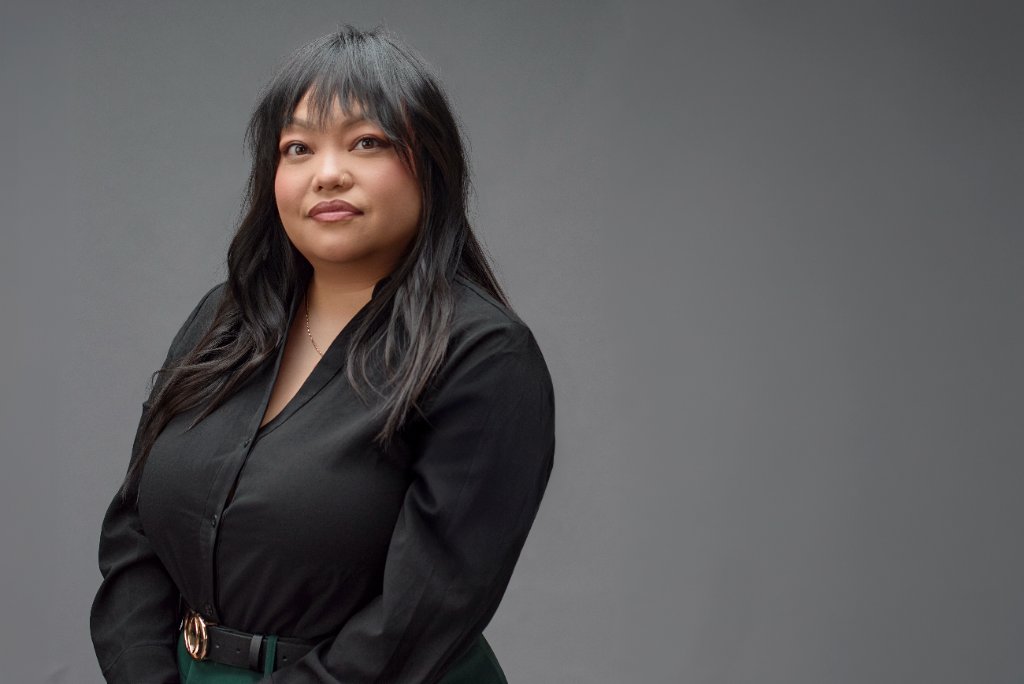
Sheng Elizabeth Lor
Cultural & Community Media Specialist
Media & Consulting
The Social X Change Project
Cultural & Community Media
I am the Founder of The Social X Change Project and CEO of Sheng Elizabeth Lor & Co. I work as a Cultural and Community Media Specialist, Consultant, Strategist, and Producer.
What are you currently working on or most proud of right now?
I'm most proud of the cultural and community media work I'm building at the intersection of public service, storytelling, and community healing. Through producing and hosting community-focused shows, events, and content, I help make systems more accessible while elevating underrepresented voices. I'm currently expanding my work into larger media, training, and community-building initiatives centered on equity, wellness, and social impact.
How did you begin this work, business, or path? What motivated you to start?
Ever since I was a little girl, I've had a deep passion for community. I often found myself helping my refugee parents navigate complex government systems and challenging institutional situations. Growing up in a Hmong family, I saw firsthand how systems often felt inaccessible, intimidating, or disconnected from the people they were meant to serve. Language, culture, and storytelling gaps created real barriers to care, information, and opportunity. What motivated me was the realization that storytelling and conversation could serve as a bridge - between community and government, culture and systems, and people and resources. I formally began this work about seven years ago when I was a social worker. I witnessed significant social injustices and inequities and felt called to be part of macro-level systems change.
What challenges have you faced along the way, and how have you navigated them?
One of the biggest challenges has been navigating systems that weren't designed with cultural nuance or emotional intelligence in mind. As a woman of color and first-generation professional, I've often had to advocate for the value of community-centered storytelling while managing expectations, limited resources, and burnout. I've navigated these challenges by building resilience, seeking mentorship, setting stronger boundaries, pursuing continued learning, and staying rooted in my purpose. I've learned to balance compassion with sustainability by collaborating with people and institutions that share my values.
What has surprised you most about your journey so far?
What has surprised me most is the ripple effect of this work. Small, intentional acts - sharing people's stories, producing meaningful conversations, building connections, and simply showing up - have led to trust, visibility, and impact far beyond what I initially imagined. I've been surprised by how ready communities are to engage when they feel seen. I've also been surprised by my own growth. This work requires deep internal reflection because leadership means understanding yourself in order to influence others. This work is relational, not transactional.
How does your work serve or impact your community, clients, or the people around you?
My work increases access, understanding, and trust. Through culturally responsive media, storytelling, and community-centered engagement, I help translate complex systems into clear, relatable information people can actually use. Beyond information-sharing, my work creates spaces where people feel seen, represented, and respected; especially immigrant and underserved communities that have historically been excluded from decision-making and narrative power. The impact shows up not only in awareness, but also in confidence, participation, and connection.
"Leadership, to me, is about stewardship rather than status. It means creating clarity where there is confusion, safety where there is fear, and opportunity where there has been exclusion."
In what ways does your Hmong identity influence your work, leadership, or perspective?
My Hmong identity deeply influences how I move through the world and my work. It grounds me in values of collective care, humility, and responsibility to my community. Being bicultural allows me to navigate between systems and communities with nuance, understanding both unspoken cultural dynamics and structural realities. It also shapes my leadership style. I lead with relational awareness, cultural sensitivity, and deep respect for lived experience. My identity reminds me that representation matters, language matters, and leadership can be rooted in listening as much as speaking.
What does leadership mean to you, based on your lived experience?
Leadership, to me, is about stewardship rather than status. It means creating clarity where there is confusion, safety where there is fear, and opportunity where there has been exclusion. From my lived experience, leadership is not about having all the answers—it's about accountability, emotional awareness, and the willingness to stand in discomfort for the greater good. True leadership looks like service, integrity, and consistency. It is relational, grounded, and guided by purpose, especially when no one is watching.
What lessons have you learned that you wish you had known earlier?
I wish I had known that purpose does not require self-sacrifice. For a long time, I equated commitment to my community with overextending myself, believing that giving more would create more impact. I've since learned that sustainability matters just as much as impact. Boundaries are not a limitation on generosity - they are a condition for longevity. I also wish I had trusted my intuition sooner. Experience has taught me that clarity often comes from listening inward, even without external validation.
What has helped you stay grounded, motivated, or resilient during difficult moments?
Returning to my purpose has helped me stay grounded, along with practicing skills that support the life I want to live. I stay connected to community, culture, and creative expression, which remind me daily why I do this work. Reflection, therapy, learning, and slowing down when needed have also been essential. Resilience comes from humility, self-awareness, and ongoing internal work. I choose to move with abundance rather than operate from a scarcity mindset.
What are you currently working toward or hoping to build next?
I'm working toward building a media consulting and communications firm centered on integrating communities and institutions. This includes expanding culturally responsive media, developing leadership and wellness spaces, and creating opportunities for deeper dialogue between institutions and the communities they serve.
How would you like people to understand or remember your work?
I hope my work is remembered as honest, human, and rooted in care. I want people to feel seen, informed, and empowered—not talked at, but spoken with. More than anything, I hope my work reflects both courage and compassion: the courage to tell difficult truths, and the compassion to hold people and communities with dignity.
What advice or encouragement would you offer other Hmong women navigating their own paths?
Trust yourself, even when the path isn't clearly mapped out. It's okay to move slowly, question expectations, and redefine success in ways that honor both your culture and your wellbeing. You don't have to carry everything alone, and you don't have to earn rest or worth through sacrifice. Your voice, intuition, and lived experience are powerful. Lead with care, but also protect your energy. You are allowed to grow, change, and choose yourself again and again, even when your purpose is to serve the community.
Is there anything else you would like to share?
I want to acknowledge the importance of healing alongside leadership. Many of us are doing meaningful work while also unlearning survival patterns passed down through generations. Tending to our inner lives is not separate from community work - it strengthens it. I'm deeply committed to my community and grateful to be part of spaces that value both impact and humanity.
"Storytelling and conversation could serve as a bridge - between community and government, culture and systems, and people and resources."
"Boundaries are not a limitation on generosity - they are a condition for longevity."
Share Your Story
Your journey matters. Share your story of resilience, healing, or growth to inspire and encourage other Hmong women around the world.
Submit Your Story