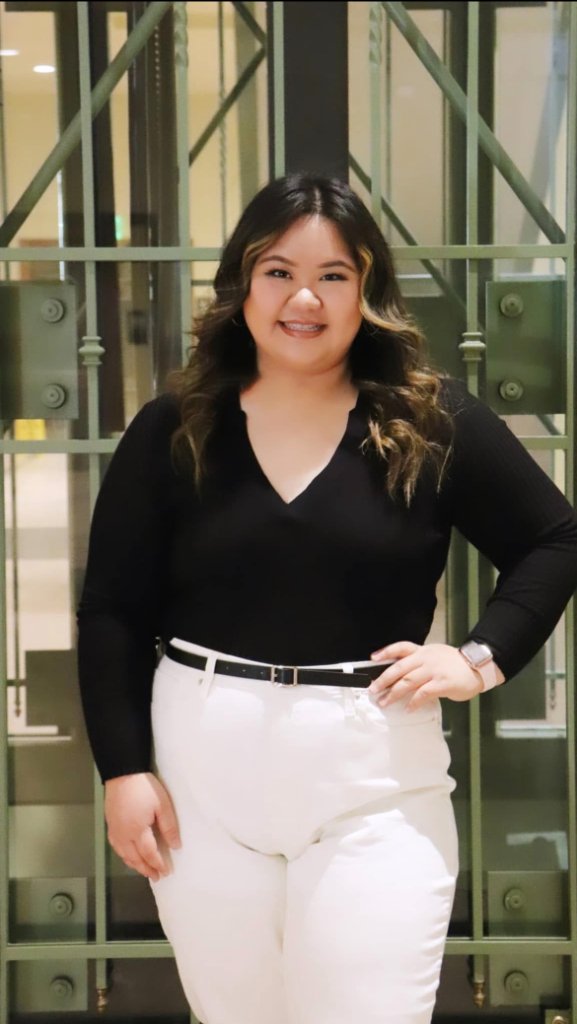
Breaking Cycles, Building Futures
See-Nyia Yang
Public Health & Community
Public Health Professional
Opioid Prevention & Substance Abuse Prevention Specialist
My name is See-Nyia Yang and I am located in Syracuse, Utah. I'm currently working as a public health professional, leading efforts in opioid overdose prevention and substance abuse prevention within the community, while also working to destigmatize these issues. My primary role is to guide individuals to essential care services and improve health literacy through clear, effective communication.
What are you currently working on or most proud of right now?
I am currently focused on expanding my understanding of the healthcare system while designing and implementing strategies to increase access to care for homeless and low-income populations, who often encounter significant barriers to receiving services. A key component of my work involves providing targeted health education to prevent substance abuse, with a strong focus on destigmatizing these issues through motivational interviewing techniques and evidence-based behavioral interventions. In addition, I am working to enhance mental health outcomes as a critical part of a broader health literacy initiative. This initiative empowers individuals to understand their healthcare rights and responsibilities, while ensuring language access for non-English speakers. To further support these efforts, I am developing a population-specific framework that ensures flexibility and cultural competence, tailored to meet the unique needs of both the community and the healthcare system.
How did you begin this work, business, or path? What motivated you to start?
I come from humble beginnings, with my family's journey shaped by the Vietnam War and the CIA's Secret War in Laos. My parents' escape and sacrifices to provide a better life for our family became the foundation of my values. In our Hmong culture, collectivism and patriarchal traditions are central, and as the youngest daughter, I felt a strong expectation to uphold these norms—being the family's caregiver and staying within the bounds of what was considered acceptable. This led to a conflict within me: on one hand, I was grateful for my parents' hard work in providing for me, yet on the other, I felt guilty for wanting more, for desiring personal growth beyond the confines of traditional roles. Growing up in North Minneapolis in Minnesota, I saw many of my peers, who shared similar backgrounds, turn to alcohol and drugs as a way to cope with their emotions and the neglect they felt from their families. I decided to take action, and my journey as a community leader began when I joined the YWCA Beacons program.
What challenges have you faced along the way, and how have you navigated them?
The journey to where I am today has been shaped by numerous challenges, both personal and systemic. One of the earliest challenges I faced was reconciling my cultural traditions with my aspirations for personal growth. As the youngest daughter in a Hmong family, I was expected to uphold certain roles and responsibilities within the family dynamic, which often clashed with my desire for education and independence. There was a constant tug-of-war between gratitude for the sacrifices my parents made and guilt for wanting more than the traditional path set before me. As I pursued education and career goals, there was the constant challenge of navigating between my ambitions and my family's expectations. Eventually, through leadership involvement, I learned how to build a support network, create meaningful relationships, and use my own experiences as a source of strength.
What has surprised you most about your journey so far?
What has surprised me most about my journey so far is the profound impact that embracing my own story and identity has had on my ability to connect with others and drive change. I never anticipated that embracing both sides of my identity—my roots in collectivism and my passion for leadership and advocacy—would be such a source of strength. Another surprise has been the role that vulnerability has played in my leadership and advocacy work. Growing up, I was taught to be strong and self-reliant, often keeping my emotions and struggles to myself. However, as I've matured, I've learned that being vulnerable—whether through sharing my personal experiences or acknowledging the challenges others face—has opened up opportunities for deeper connection and collaboration. Lastly, I've been amazed at how much my community has shaped my work and my personal growth. The resilience, strength, and wisdom of the people I serve have inspired me in ways I never expected.
"I want people to remember my work as a bridge to healing—one that nurtures both individuals and communities."
How does your work serve or impact your community, clients, or the people around you?
My work serves my community by addressing some of the most pressing challenges we face—barriers to healthcare, mental health stigma, and the need for substance abuse prevention. Through a combination of public health education, outreach, and direct connection to resources, I strive to break down the obstacles that prevent individuals, especially those in underserved communities, from accessing the care they need. By focusing on linking people to care and enhancing health literacy, I empower individuals to understand their rights and responsibilities within the healthcare system. In addition to this, my efforts in destigmatizing mental health and substance abuse have created a space for individuals to open up about their struggles without fear of judgment. By using culturally competent approaches like motivational interviewing, I build trust with community members, stakeholders and organization, which helps them feel seen and heard.
In what ways does your Hmong identity influence your work, leadership, or perspective?
My Hmong identity deeply influences both my approach to work and my leadership style. Growing up in a traditional Hmong family, I was raised with values centered on collectivism, respect for elders, and a strong sense of responsibility to my community. These values have shaped the way I approach public health work, as I prioritize building relationships, fostering collaboration, and supporting others to thrive collectively rather than individually. Culturally, I am guided by the principle of "interdependence"—the idea that we are all responsible for each other's well-being. This perspective has influenced the way I engage with individuals in my community. As a Hmong woman, I also bring a unique perspective to leadership. Within our culture, women are often seen as caregivers and nurturers, roles that shape how I approach leadership with empathy and understanding. I believe in leading with compassion and humility, empowering others by encouraging them to recognize their own strengths and potential.
What does leadership mean to you, based on your lived experience?
To me, leadership is about service, empowerment, and creating space for others to thrive. Growing up in a community where resources were limited and expectations were high, I learned early on that leadership isn't about being at the front, but about lifting others up and guiding them to their fullest potential. In my Hmong culture, leadership is rooted in respect, humility, and responsibility to the collective well-being. The role of a leader is not to stand out, but to ensure the community is supported, connected, and moving forward together.
What lessons have you learned that you wish you had known earlier?
Embracing my identity fully—especially the intersection of my Hmong culture and personal aspirations—was something I struggled with for a long time. I wish I had known sooner that embracing both sides of my identity—the traditional aspects and my desire for growth—would become a source of strength. Another lesson I wish I had understood earlier is that vulnerability is a strength, not a weakness. When I share my struggles, it allows others to see my humanity and creates a space where they feel comfortable sharing theirs. I also wish I had understood earlier that self-care and boundaries are not selfish, especially when you're in a service-oriented role. Setting healthy boundaries and prioritizing my well-being has made me more effective in my work.
What has helped you stay grounded, motivated, or resilient during difficult moments?
During difficult moments, several things have helped me stay grounded, motivated, and resilient. The first and most important source of strength is my sense of purpose. At the core of everything I do is my desire to create positive change and break cycles of harm in my community. Another factor that has kept me grounded is my connection to my family and cultural values. My family's resilience and sacrifices, particularly my parents' escape from the Vietnam War, have been a constant reminder that we can overcome adversity. I also draw strength from my community. Whether it's my peers, colleagues, or the people I serve, their resilience and support have played a huge role in keeping me motivated.
What are you currently working toward or hoping to build next?
One of my primary goals is to develop innovative strategies that can increase access to mental health care, substance abuse treatment, and general healthcare services. I'm particularly focused on integrating culturally competent approaches that reflect the diverse needs of the communities I work with. Growing up, I saw how the lack of emotional and psychological support could hold families and entire communities back, leaving them stuck in cycles of pain and struggle. This experience motivates me to create programs that integrate mental health education with traditional community support. Additionally, I envision creating a business that cultivates traditional remedies and materials to support mental health, blending holistic approaches with modern practices to offer a well-rounded, culturally-sensitive form of healing.
How would you like people to understand or remember your work?
I want people to remember my work as a bridge to healing—one that nurtures both individuals and communities. I hope my efforts are seen as a path to breaking cycles of trauma, where people feel seen, supported, and empowered to heal from within. My goal is for my work to reflect compassion, understanding, and a belief in the strength that resides in every person, no matter their struggles. Ultimately, I want to be remembered for helping people reclaim their health, build resilience, and create a legacy of hope for future generations.
What advice or encouragement would you offer other Hmong women navigating their own paths?
To all the Hmong women finding their way, I would say: Embrace the power of your story—because your journey, with all its challenges and triumphs, is uniquely yours and holds immense strength. Don't be afraid to break free from what's expected of you, because your dreams and your voice matter. Remember, you are worthy of the space you take up. Your cultural heritage is rich with wisdom, resilience, and community, but you also have the right to pursue your dreams on your own terms. Most importantly, never forget that you are enough. Your experiences, your emotions, and your ambitions are valid. You have everything within you to lead, to change, and to thrive.
"My Hmong identity deeply influences both my approach to work and my leadership style."
"You are worthy of the space you take up. Your cultural heritage is rich with wisdom, resilience, and community."
Share Your Story
Your journey matters. Share your story of resilience, healing, or growth to inspire and encourage other Hmong women around the world.
Submit Your Story